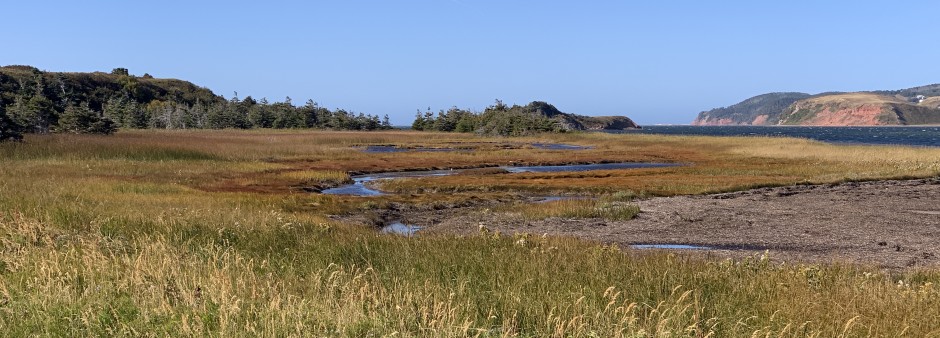
Whether it's your first stay in the Islands or you come back every year, you'll quickly notice that wetlands are everywhere across the archipelago. Did you know they cover nearly a quarter of the territory? It's no surprise that you come across them while enjoying your favourite outdoor activities.
If you've ever had the chance to go kayaking or kitesurfing in the lagoons, you've certainly encountered them while getting your equipment into the water. Several hiking trails also run alongside marshes, swamps, peat bogs and ponds.
If you enjoy birdwatching, wetlands are ecosystems well worth exploring! They provide ideal habitats for many bird species, including rare ones such as the red knot and the horned grebe.
For foraging enthusiasts, marshes are where you can harvest our famous cranberries in the fall. As you can see, these transition zones between land and water are invaluable for anyone who enjoys outdoor activities in the Magdalen Islands!
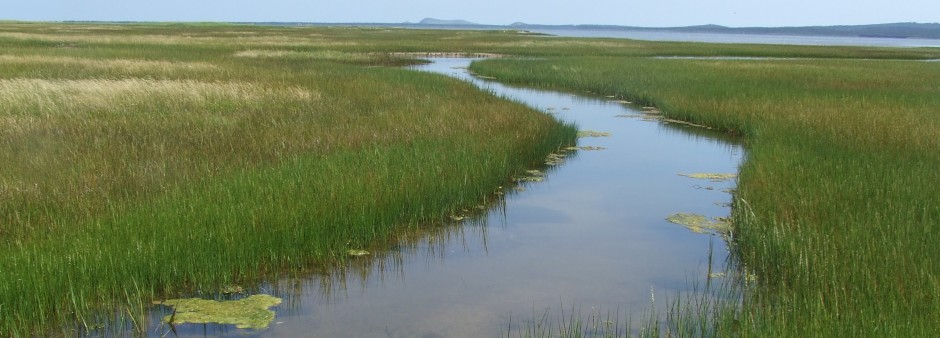
Beyond the many activities they support, wetlands provide essential services. Acting like sponges, they reduce the risk of flooding during storms and heavy rainfall. By softening wave action, they help limit coastal erosion, a major issue for the Islands. They also filter rainwater and replenish groundwater, allowing us to enjoy excellent-quality drinking water straight from the tap.
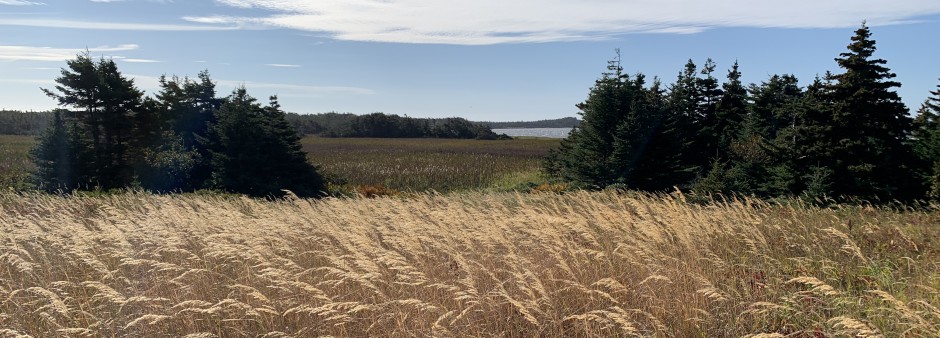
To ensure they can continue fulfilling all these roles, it's important to protect and care for them. Here are a few actions you can take when enjoying activities nearby:
If you'd like to learn more about wetlands, the different types found across the territory, and their ecological roles, we invite you to watch these documentary clips:
Access the full playlist by clicking this link.
Enjoy discovering the Magdalen Islands!